Residential Solar Heat Control
Heat Reduction Window Film in Mustang
Make sunny rooms more comfortable. Get a Free Estimate
Residential Solar Heat Control
Make sunny rooms more comfortable. Get a Free Estimate
Hot afternoon sunlight can make certain rooms uncomfortable, especially when large windows face south or west. Heat reduction window film is designed to reject part of the incoming solar energy, helping manage heat gain through suitable existing glass.
Home Window Tinting Mustang helps homeowners compare residential solar control films based on comfort, daylight, appearance, and glass compatibility. We explain the options before recommending a product.
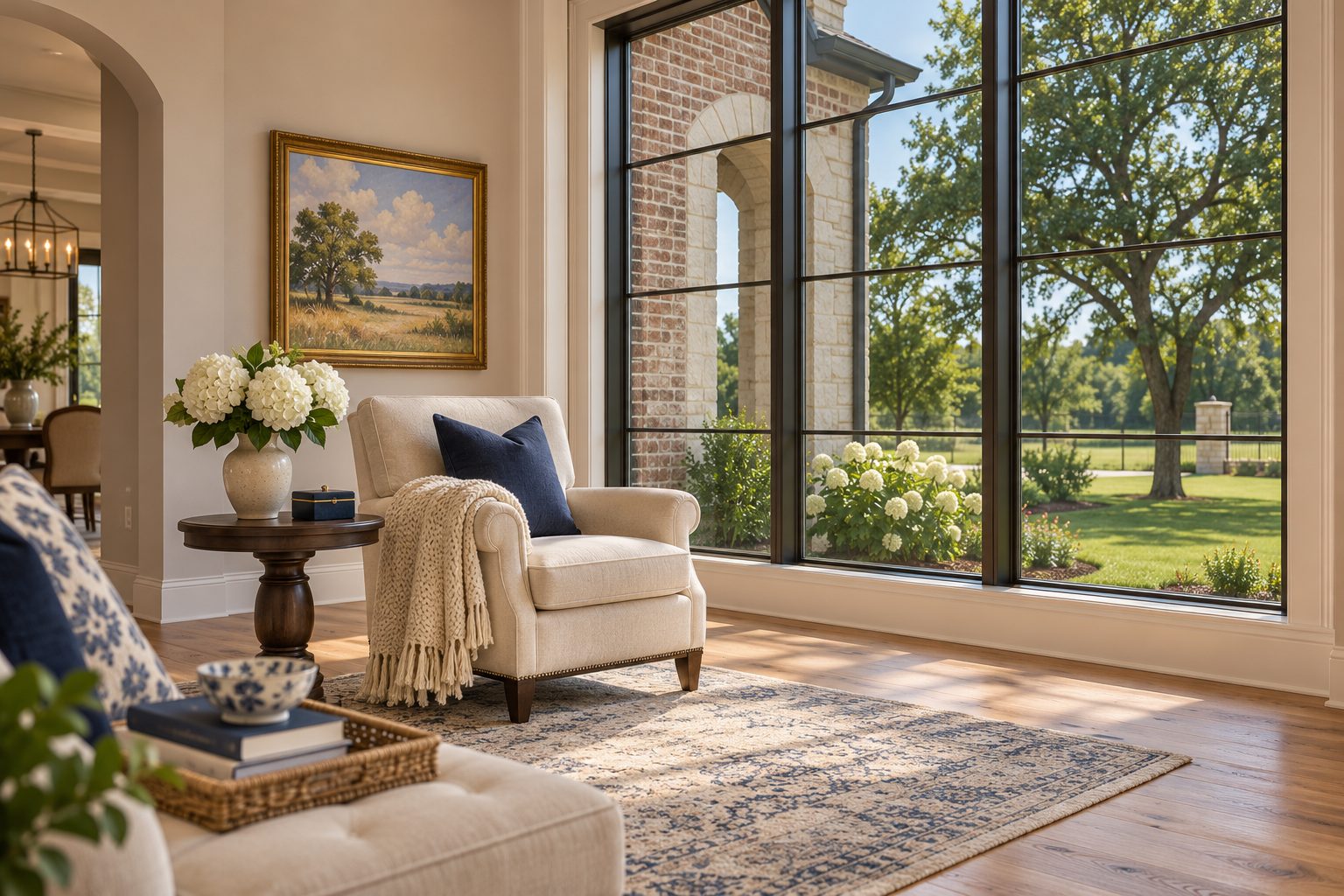
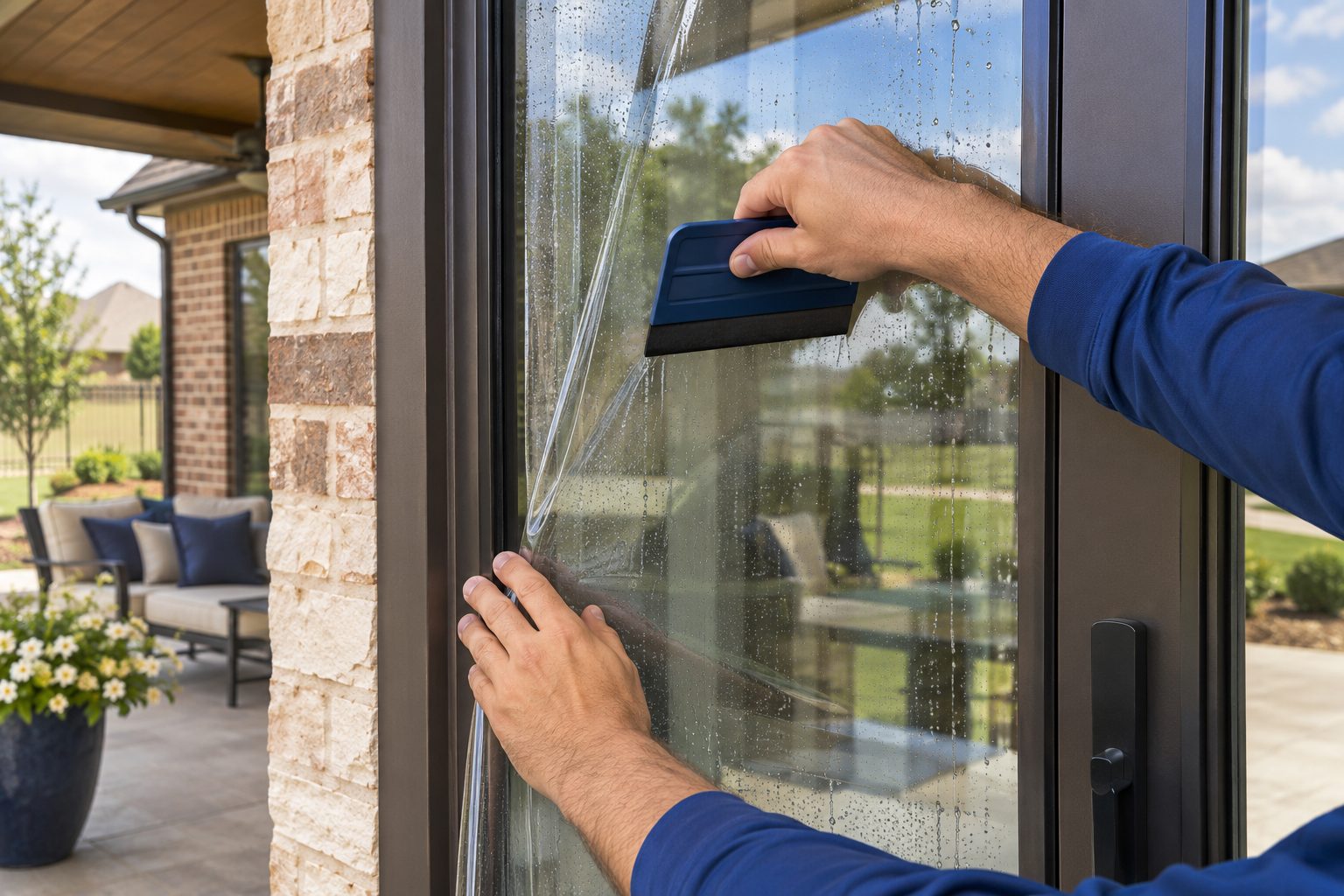
## How Heat Reduction Film Works Solar control film manages incoming solar energy through a combination of reflection, absorption, and transmission. Different products have different performance characteristics, so the film must be selected for the specific glass and homeowner's goals. Some films provide substantial solar rejection while preserving relatively high visible light transmission. Others are darker or more reflective. We discuss these differences before installation. ## Which Windows Benefit Most? West-facing windows often receive strong afternoon sunlight during Oklahoma summers. Large south-facing windows can also bring significant solar energy into the home. Rooms with extensive glass, limited exterior shade, or direct afternoon exposure may be good candidates for solar control film. We evaluate each situation rather than assuming every window needs the same product. ## Improving Room Comfort Reducing solar heat gain can make sun-exposed rooms more comfortable. It may also reduce some cooling demand, depending on the home. However, window film does not eliminate all heat transfer. Insulation, air leakage, ventilation, shading, and the air conditioning system also influence indoor temperatures. We avoid promising specific room temperature changes or utility savings because results vary. ## Choosing the Right Appearance Homeowners often ask whether heat reduction film will make their windows dark. The answer depends on the product. Some films have a relatively neutral appearance and transmit considerable daylight. Others create a noticeable tint or reflective finish. We help you balance heat rejection, visibility, and exterior appearance. ## Understanding Glass Compatibility Film changes the way solar energy interacts with glass. Certain insulated or coated glass units may require specific products or may not be suitable for a proposed film. We consider glass construction, existing damage, and relevant manufacturer guidance. Window warranty conditions should also be reviewed where applicable. ## Installation and Curing The installation process begins with cleaning and preparing the glass. Film is then measured, applied, and finished according to the product's requirements. Temporary haze or moisture patterns may appear during curing. We explain what to expect and when cleaning can begin. ## Heat Reduction for Different Rooms Living rooms, kitchens, home offices, and sunrooms can have different solar exposure and comfort needs. A room used for television viewing may benefit from glare reduction alongside heat control, while another room may prioritize daylight. We consider these differences when comparing products. ## Request a Heat Reduction Estimate If one or more rooms become uncomfortable during sunny hours, tell us which windows are involved and when the problem occurs. We can discuss suitable options and provide a project-specific estimate.
West-facing windows can receive intense afternoon sunlight. Heat reduction film may help manage incoming solar energy and improve comfort during sunny weather. We consider the window construction, room use, and desired daylight before recommending a suitable product.
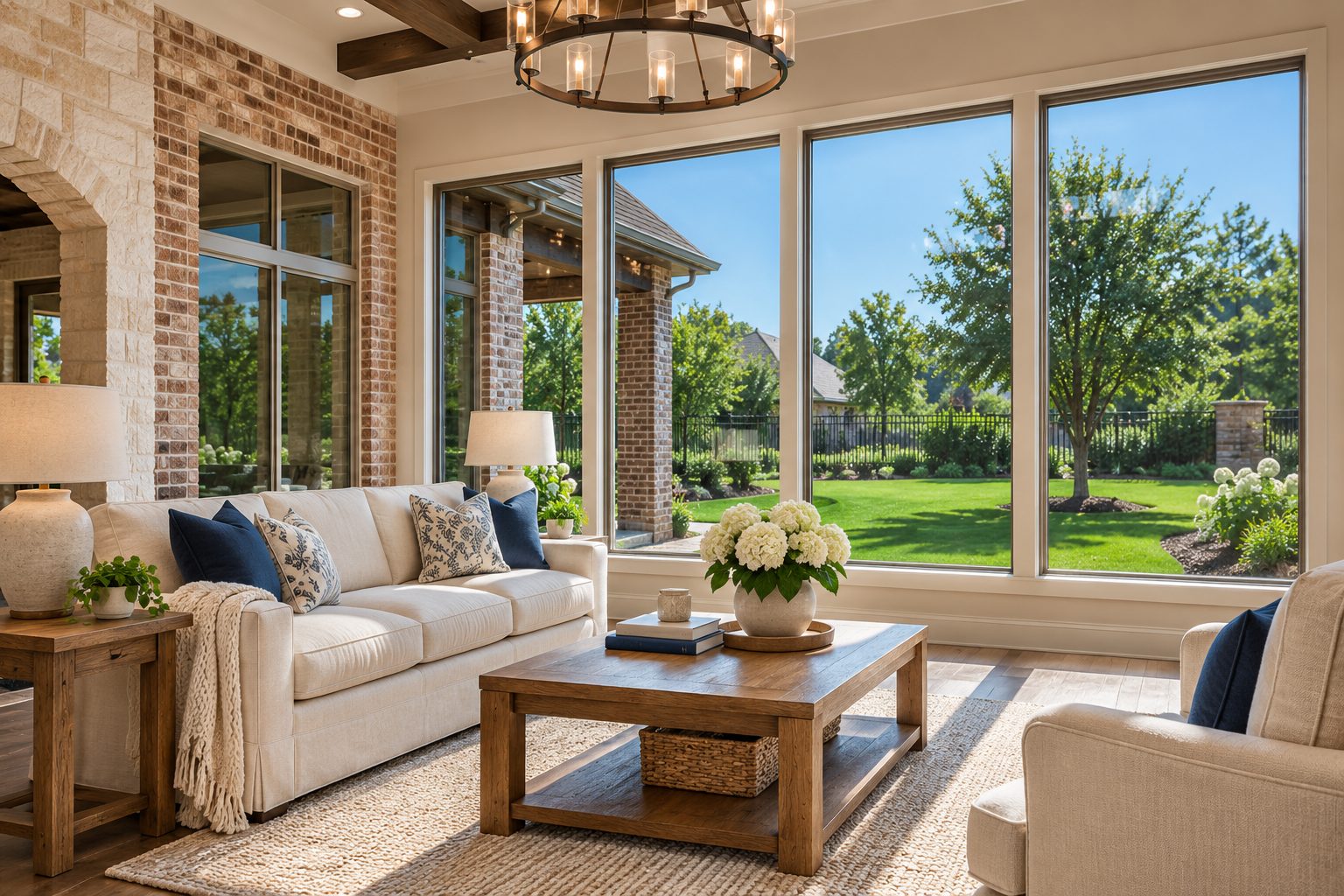
Large living room windows can bring welcome daylight along with unwanted heat. Solar control film may help reduce heat gain while preserving some or much of the view. We discuss film appearance and performance so the finished room suits your preferences.
Sunrooms often receive substantial solar exposure because of their large glass areas. Film may help reduce part of the incoming solar heat. Results depend heavily on room construction, ventilation, and window orientation. We explain realistic expectations before installation.
Some solar control films are designed to reject solar energy while allowing substantial visible light through the glass. These may suit homeowners who prefer brighter rooms. We compare product specifications and discuss the balance between daylight, reflectivity, and heat reduction.
| Service | Estimated Cost | Average |
|---|---|---|
| Single residential window | Custom estimate | Depends on dimensions |
| Multiple windows | Custom estimate | Depends on film and quantity |
| Whole-home installation | Custom estimate | Depends on total glass area |
Pricing depends on measurements, film type, glass compatibility, access, and preparation. No fixed or verified average price is advertised.
We identify the windows contributing to unwanted solar heat before discussing film.
We help balance heat rejection with the natural light you want to keep.
We explain film performance without guaranteeing energy savings or room temperatures.
Ask about heat reduction film for your Mustang-area home.
Free — no obligations
We identify the rooms and times of day when solar heat is most troublesome.
We consider glass construction, condition, and compatibility.
We explain solar rejection, daylight, appearance, and pricing.
We apply the selected film and provide curing and maintenance guidance.